BEST Foods and Drinks to try at the Slopes in Europe
The BEST Foods and Drinks to Try Along the Slopes in Europe
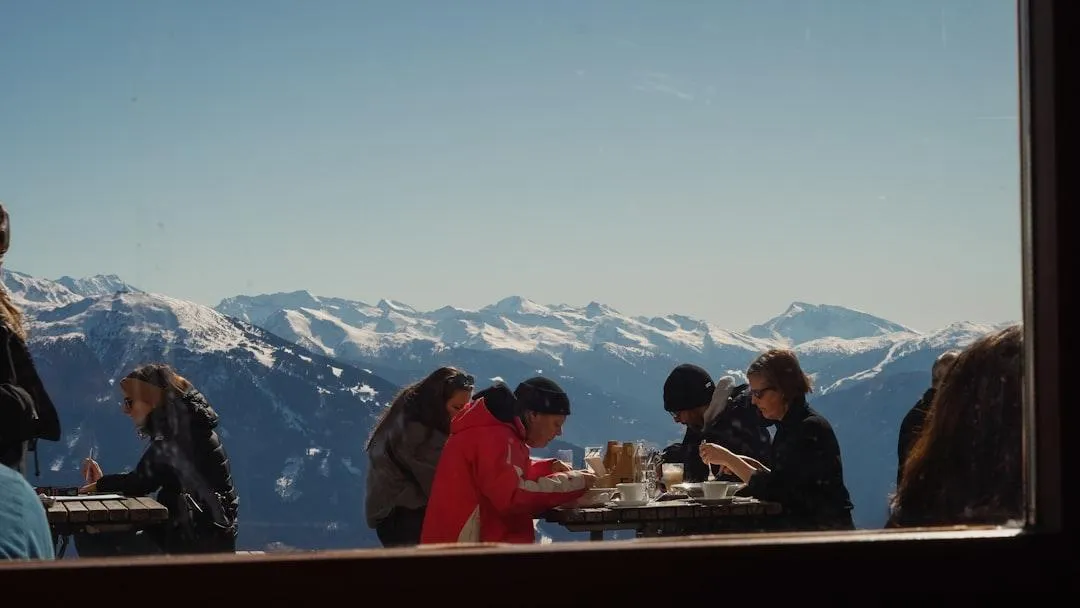
Skiing the German, Austrian, and Swiss Alps isn't just about conquering runs - it's also about what happens when you stop. Mountain huts, or Hütten, are where the real alpine culture lives. These aren't just refueling stations; they're temples to comfort food that's been perfected over centuries to warm frozen fingers and satisfy mountain-size appetites. And it is much more than German sausage - promise!

Here are the Austrian dishes and drinks you absolutely must try.
Käsespätzle – Germany's Answer to Mac and Cheese (But Better)
Käsespätzle originates from Germany's southwestern Swabia region and is now popular across Germany, Austria, and Switzerland. It's the dish that waits for you at the end of the Alpine ski slopes, usually alongside a cold beer.
The magic starts with spätzle: soft egg noodles that are neither pasta nor dumpling but something gloriously in between. Traditionally, Emmentaler and Bergkäse (Swiss mountain cheese) are used, or a combination with Gruyère. The noodles are layered with shredded cheese until everything melts into gooey perfection, then crowned with crispy, caramelized onions that add sweetness and crunch. What makes Käsespätzle different from its American cousin? The cheese! European mountain cheeses (especially Bergkäse) have a depth and nuttiness that pre-shredded grocery store cheese can't touch.
In Austria, Käsespätzle is also known as Kasnocken and is a popular dish in mountain lodges of Austrian ski areas. Whether you're in a rustic Bavarian Almhütte or a Swiss mountain refuge, this dish shows up on every menu because it is simple and delicious.
Tiroler Gröstl – The Austrian Answer to Leftovers
Here's a dish with a humble origin story that became an alpine icon. According to legend, Tyrolean inn chefs would prepare more food than guests could eat, and the leftovers were used to create a meal for the staff. The dish became so beloved it made its way onto official menus across the Tyrol region.
Tiroler Gröstl is a hearty mix of fried bacon, onion, and potato slices, topped with a fried egg and served in the pan. The potatoes are sliced thin and fried until golden and crispy, the bacon adds smokiness and salt, and the runny egg yolk ties everything together when you break it open. It's seasoned with salt and caraway, which gives it that distinctly Austrian flavor profile.
What sets Gröstl apart is the technique. Everything is cooked in one large pan, allowing the flavors to mingle and the potatoes to get properly crispy. The best versions include bits of leftover roast beef or pork mixed in, staying true to its origins as a leftover dish. It's served family-style, straight from the pan, often with a sprinkling of fresh parsley and always with that essential fried egg on top.
Kaiserschmarrn – The Emperor's Pancake
The name Kaiserschmarrn is agreed to have been first prepared for Austrian Emperor Franz Joseph I. The word combines Kaiser (emperor) and Schmarren (which colloquially means mess or trifle in Austrian German), creating something like "the emperor's mess."
But there's nothing messy about this dish's appeal. Kaiserschmarrn is a lightly sweetened pancake that is shredded using two forks during frying, usually sprinkled with powdered sugar, and served hot with apple or plum sauce or various fruit compotes. The texture is fluffy and almost soufflé-like. Kaiserschmarrn is eaten like a dessert, or it can also be eaten for lunch at mountainside restaurants and taverns in the Austrian Alps, as a filling meal. And filling it is! Portions are massive, often served for two people to share. Many recipes include rum-soaked raisins mixed into the batter, though purists debate their inclusion.
What makes Kaiserschmarrn special is the caramelization. After the pancake is torn into pieces, it's tossed with butter and sugar, creating crispy, caramelized edges while keeping the interior soft.
Two Lesser-Known Dishes You Need to Try
Kiachl – Tyrolean Fried Yeast Dough
While everyone orders Kaiserschmarrn, locals know to ask for Kiachl (‘Knieküchle’). This traditional Tyrolean pastry is made of fried yeast dough shaped into flat rounds with a slightly raised edge and thinner, crispier center before being fried in hot oil or lard.
What makes Kiachl special is its versatility. Traditionally enjoyed with sauerkraut (yes!) or dusted with powdered sugar and served with fruit preserves like lingonberry or apricot jam. You can mainly taste Kiachl at traditional markets or folk festivals, especially at Christmas markets. In Tyrol, many inns and mountain huts offer freshly baked Kiachl, though locals guard their recipes closely.
Germknödel – Sweet Steamed Yeast Dumplings
These massive, hemispherical dumplings made from yeast dough are filled with spiced plum jam, topped with a mix of poppy seeds and sugar, and served with melted butter or vanilla sauce. Originally seen as a Lenten dish since there's no meat, Germknödel was large and hearty enough to be a main course. These days, it's typically considered a dessert - though one Germknödel is plenty to keep you going on the slopes for the rest of the day. The combination of sweet plum filling, buttery poppy seeds, and that pillowy texture creates something unforgettable. It's a culinary specialty of Austria and Bavaria that's massively popular in ski huts, yet most tourists overlook it in favor of more famous dishes.
Where there is Food there are Drinks - Three Traditional Alpine Drinks to Warm Your Soul
Jägertee (Hunter's Tea) – Austria's Protected Après-Ski Punch
Jägertee is an alcoholic punch historically made by mixing Inländer-Rum with spiced black tea. The name derives from the German words Jäger (hunter) and Tee (tea), reflecting its roots as a spiced tea-based beverage fortified with local spirits. It emerged in the 19th century as a practical drink for alpine laborers, hunters, and foresters enduring harsh winters in the Tyrolean Alps.
The traditional preparation involves brewing strong black tea infused with warming spices like cinnamon and cloves, then combining it with high-proof Austrian rum (like the famous Stroh brand), often adding red wine, fruit schnapps, orange juice, and sugar. The mixture is gently heated but never boiled, as higher temperatures would evaporate the alcohol and diminish delicate flavors.
Almdudler – Austria's "National Drink"
Almdudler is a sweetened carbonated beverage made of herbal extracts that has been called the "national drink of Austria." Its popularity in Austria is second only to Coca-Cola, with about 80 million liters produced per year. The name derives from the phrase "auf der Alm dudeln," which means "yodeling in the alpine pasture."
While it's non-alcoholic in its original form, Almdudler is a popular mixer throughout Austria. In wine-growing regions of Lower Austria and Burgenland, it's mixed with locally produced red and white wines. A Radler variety called Almradler mixes it with beer. The herbal, slightly sweet flavor with hints of alpine herbs makes it instantly recognizable and beloved by locals.
Skiwasser – Pink Water?!
Skiwasser, the pink-colored cult drink from the Alps, is part of every ski vacation in Austria. The refreshing drink is made with raspberry syrup, plenty of tap water, and lemon juice. The recipe has been around since 1922, when ski water was invented to quench thirst in remote Alpine villages.
In Austrian ski huts, Skiwasser is as famous as hot chocolate! If you want to take it home, it's available in 5-liter bottles - hope you paid for checked luggage!


